2335 E Atlantic BLvd Suite 200-05
Pompano Beach, FL 33062

How Proactive HOA Management Keeps Your Community Beautiful & Maintains Property Values
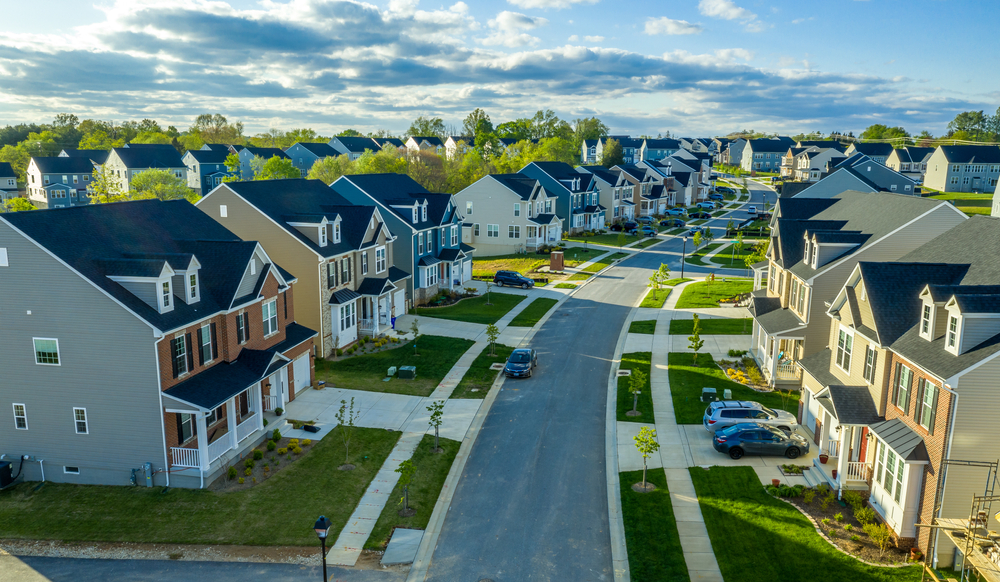
A thriving HOA community is the result of consistent planning, careful oversight, and proactive decision-making. From maintaining common areas to enforcing community standards, effective HOA management plays a critical role in protecting both the appearance and long-term value of the neighborhood. When issues are addressed before they become problems, communities remain attractive, functional, and financially sound.
Preventative Maintenance Protects Long-Term Assets
One of the most important responsibilities of an HOA is maintaining shared assets such as roofs, sidewalks, parking lots, clubhouses, and recreational facilities. Proactive HOA management focuses on routine inspections and scheduled maintenance to catch small issues before they turn into costly repairs.
Addressing concerns like cracked pavement, drainage issues, or minor structural wear early helps extend the lifespan of community assets and prevents expensive emergency projects. Well-maintained amenities also signal to current and prospective homeowners that the community is cared for and financially responsible.
Consistent Landscaping Enhances Curb Appeal
Landscaping is often the first thing people notice when entering a neighborhood. Proactive HOA management ensures that landscaping plans are seasonal, consistent, and aligned with the community’s aesthetic standards.
This includes:
• Regular lawn and tree maintenance
• Seasonal plantings and irrigation checks
• Prompt removal of dead or damaged vegetation
A cohesive, well-kept landscape doesn’t just look attractive - it creates a strong first impression that supports higher home values and pride of ownership throughout the community.
Clear Enforcement of Community Standards
Communities thrive when expectations are clear and fairly enforced. Proactive HOA management helps establish consistent enforcement of governing documents while maintaining respectful communication with homeowners.
Rather than allowing issues to escalate, such as unapproved exterior changes or neglected properties, proactive management addresses concerns early. This prevents visual inconsistencies, reduces tension among neighbors, and preserves the uniformity that protects property values.
Strategic Budgeting and Financial Planning
Financial health is directly tied to the appearance and longevity of a community. Proactive HOA management includes forward-looking budgeting, reserve planning, and transparent financial reporting.
By planning for future repairs and capital improvements, HOAs can avoid special assessments that may strain homeowners and negatively impact property values. A well-funded reserve and responsible financial strategy also reassure buyers that the community is stable and well-managed.
Preserve Property Values With Expert HOA Management
Proactive HOA management is about more than maintaining appearances - it’s about protecting investments, preventing costly problems, and fostering a community homeowners are proud to call home. By focusing on preventative maintenance, consistent standards, financial planning, and clear communication, HOAs can create attractive, well-functioning neighborhoods that retain and grow in value over time.
Contact Prime HOA Management to learn how our comprehensive management services can keep your community beautiful, organized, and positioned for long-term property value growth. Proudly serving South Florida, call our office in Pompano Beach, Florida at (954) 708-1027 to schedule your consultation today.

View
Services

Keep
In Touch
© 2026 Prime HOA Management. All rights Reserved - Accessibility Statement - Privacy Policy - Sitemap
Powered by
